
The Complete Interior Design Process: From Consultation to Handover
Sep 25, 2026
Renovating a home can feel overwhelming when you don't know what to expect at each stage. Working with experienced interior designers in Singapore means having a clear, structured process from the very first meeting through to the day you receive your keys back, and understanding that journey helps you plan better and avoid unnecessary stress along the way.
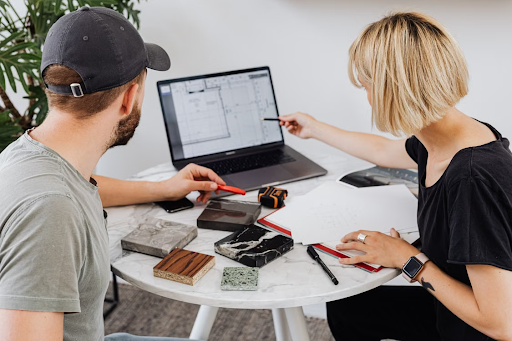
From First Conversation to Creative Direction
Every project begins with a consultation to understand your lifestyle, preferences, budget, and functional needs, along with your property type, since this affects what can realistically be achieved. A site visit follows, where the team measures the space accurately and checks for load-bearing walls, existing plumbing and electrical points, natural light, and ventilation.
From there, concept development begins, typically with mood boards, layout plans, and material suggestions, followed by 3D renderings so you can visualise the finished space before any physical work starts.

Turning Concepts into a Clear Plan
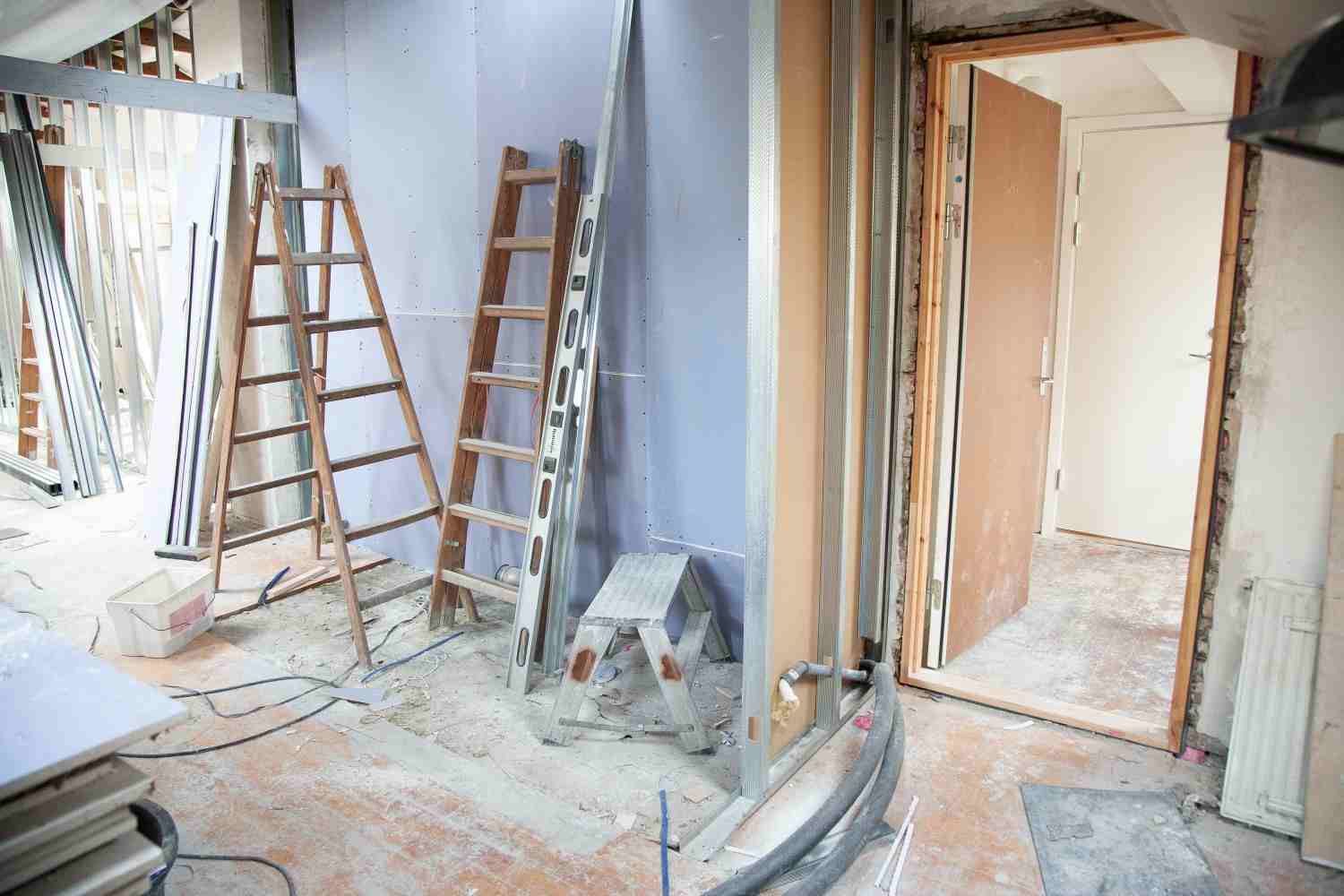
Where the Design Comes to Life
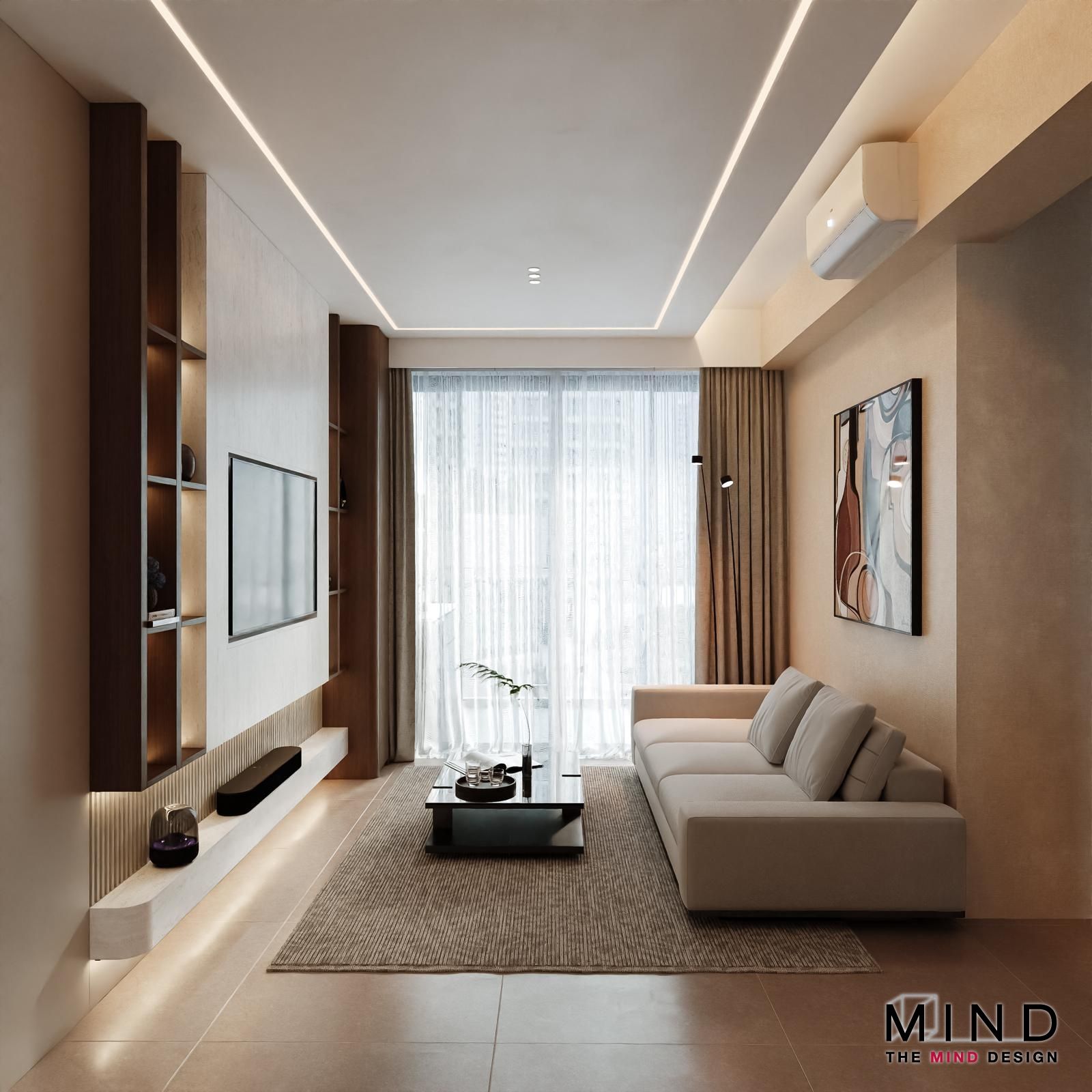
Styling, Handover, and Beyond
Conclusion
A well-structured process, backed by clear communication and transparent documentation, is often the difference between a stressful renovation and an enjoyable one. The Mind Design guides clients through every stage of this journey, from the first consultation to the final handover, with one team accountable throughout. Contact us to begin your design journey with a team that values clarity and craftsmanship.
Frequently Asked Questions
Q: How long does the entire interior design process take?
A: On average, the process from initial consultation to final handover takes between three to six months, depending on the scope of works, property type, and any approvals required along the way.
Q: Do I need to provide my own design inspiration?
A: While not compulsory, bringing along inspiration images or examples of styles you like helps your designer understand your preferences more quickly and develop concepts that better match your vision.
Q: Can I make changes after the 3D visualisation stage?
A: Minor changes are usually possible, but significant alterations after this stage may incur additional costs or cause delays, as materials and orders may already be in progress based on the finalised design.
Q: What happens if defects are found during the final inspection?
A: Any defects identified during the snagging process should be rectified by the design firm at no additional cost, as this is typically covered under the renovation agreement before official handover.
Q: Will I have a single point of contact throughout the process?
A: Most established design firms assign a dedicated project manager or designer as your main point of contact, ensuring consistent communication from consultation through to handover and beyond.
