Home > Inspirations > Article

How to Choose the Best Interior Designer in Singapore (Complete Guide)

May 10, 2026

Selecting a partner to transform your luxury property in 2026 is no longer a simple matter of aesthetic preference; it is a high-stakes strategic decision. As the Singaporean residential landscape shifts toward complex, multi-functional environments, the Best Interior Designer Singapore offers must act as both a visionary architect of "Quiet Luxury" and a master of technical logistics. Whether you are holding the keys to a double-volume loft in District 9 or a premium waterfront condominium, your choice of designer will dictate not just the visual outcome, but the long-term performance, regulatory safety, and resale value of your asset. This guide outlines the essential criteria for identifying a top-tier professional who can navigate the intricacies of modern urban living while delivering a home that is an unapologetic reflection of your personal legacy.

Step 1: Vetting Technical Literacy and Accreditation

Step 1: Vetting Technical Literacy and Accreditation

In an industry where visual marketing often overshadows technical substance, the first filter in your search for the Best Interior Designer Singapore should be professional accountability. Beyond a captivating portfolio, verify that the firm holds CaseTrust-RCMA accreditation, which provides a critical layer of financial security through deposit bonds and standardized dispute resolution. For luxury renovations involving structural mezzanines or complex electrical rerouting, ensure the firm is BCA-registered. This technical vetting ensures that your designer possesses the literacy required to manage a high-value project without compromising the structural integrity of the building or your legal standing as a homeowner.


Step 2: Evaluating Spatial Engineering for Vertical Living

Step 2: Evaluating Spatial Engineering for Vertical Living

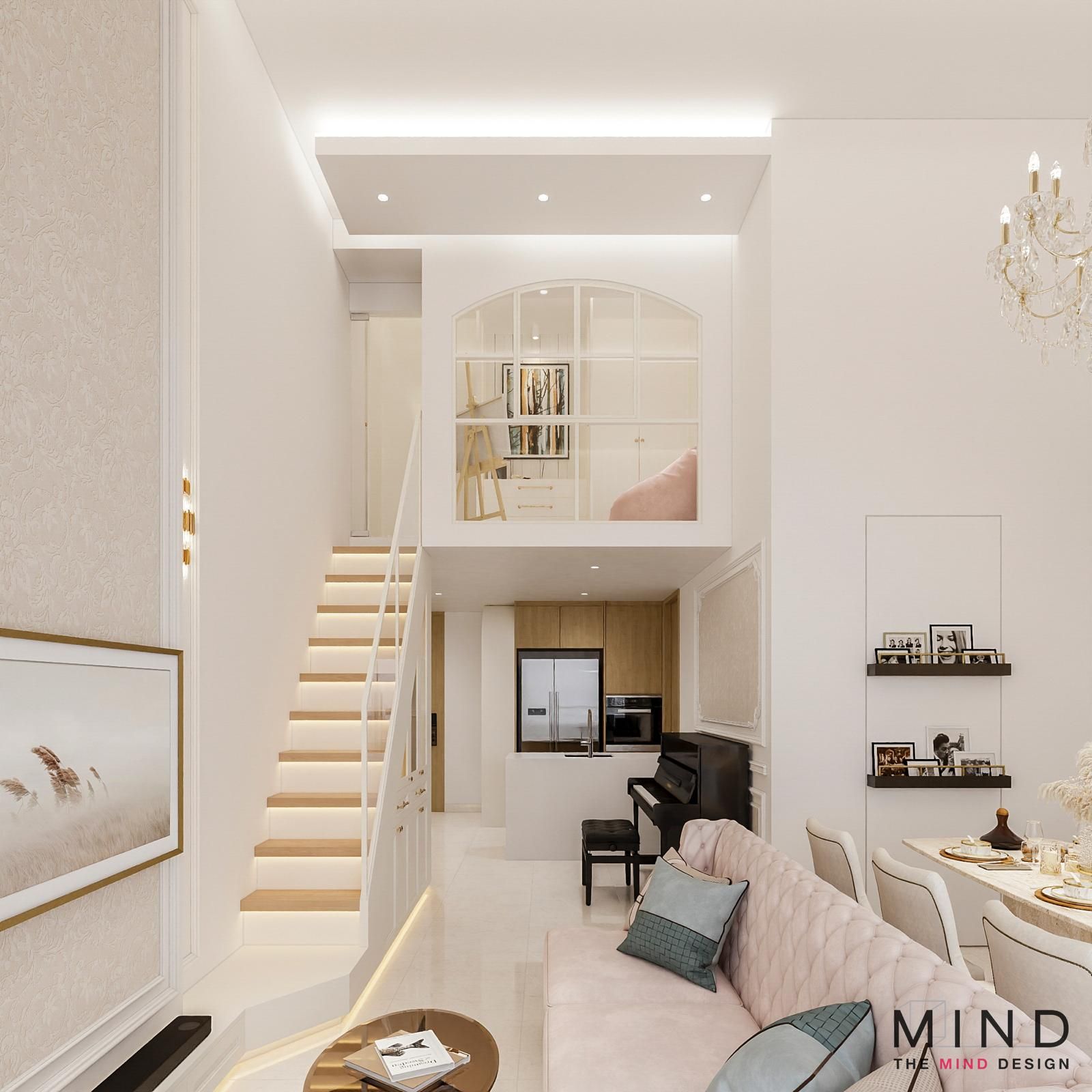
For owners of high-volume lofts, the true measure of the Best Interior Designer Singapore is their ability to "activate the void." Identifying a designer who specializes in spatial engineering is crucial for residences with high ceilings. Look for a portfolio that demonstrates a mastery of mezzanine integration, sculptural staircases, and vertical storage solutions that don't obstruct the flow of natural light. A premier designer will approach your floor plan with an eye for "kinetic architecture"—creating zones that can adapt from a private home office to a grand social gallery with seamless ease. This architectural foresight ensures that your home’s unique volume is utilized to its full functional potential, rather than remaining an empty, underutilized expanse.


Step 3: Material Honesty and the Sentient Sanctuary

Step 3: Material Honesty and the Sentient Sanctuary

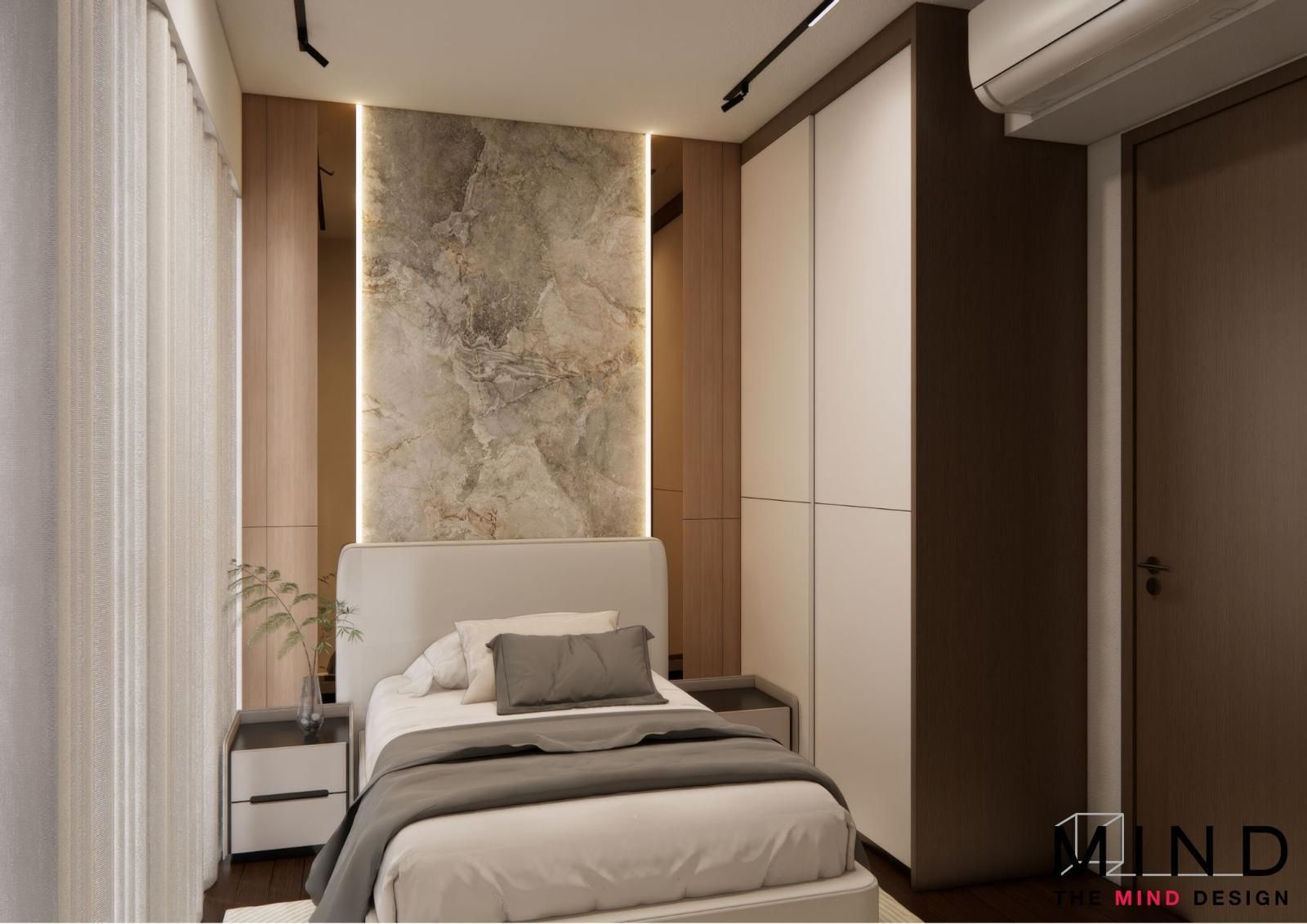
Modern luxury in 2026 is defined by "Material Honesty"—the use of high-performance, artisanal finishes that offer sensory depth and durability. The Best Interior Designer Singapore should be a curator of these global textures, specifying materials like book-matched sintered stone, antimicrobial matte laminates, and sustainably sourced exotic hardwoods. Furthermore, look for a designer who understands the "Sentient Sanctuary" concept. This involves the invisible integration of circadian lighting, AI-driven climate control, and high-fidelity acoustic treatments. A top-tier professional will weave these wellness-centric technologies into the custom carpentry and ceiling voids, ensuring your home supports your biological rhythms without the visual clutter of visible hardware.


Step 4: Master Liaison and Regulatory Stewardship

Step 4: Master Liaison and Regulatory Stewardship

Perhaps the most critical value of the Best Interior Designer Singapore is their role as a technical steward within the city’s complex regulatory framework. Renovating a luxury condominium or a double-volume loft is a logistical operation that requires a disciplined command of Management Corporation Strata Title (MCST) house rules and Building and Construction Authority (BCA) standards. Your designer acts as your primary liaison, managing everything from Professional Engineer (PE) structural endorsements to the precise coordination of material deliveries through restricted service elevators. This rigorous oversight ensures that specialized trades operate strictly within noise-controlled construction windows, protecting you from potential legal friction and maintaining neighborhood harmony while your urban sanctuary is brought to life.


Conclusion

Ultimately, the success of your renovation depends on a partnership built on transparency, technical mastery, and creative bravery. At The Mind Design, we believe that being the Best Interior Designer Singapore homeowners trust is a title earned through every meticulously planned detail and flawlessly executed handover. We specialize in the bespoke transformation of condos and lofts, ensuring that your vision is realized with surgical precision and timeless elegance. We invite you to contact us for a private consultation, where we can begin the collaborative journey of crafting a high-performance environment that perfectly reflects your sophisticated lifestyle and uncompromising standards.


Frequently Asked Questions (FAQ)

Q: How do I verify if a firm is CaseTrust-RCMA accredited?

A: You can check the official Consumer Association of Singapore (CASE) website for an updated list of accredited renovation businesses to ensure your deposit is protected.


Q: What is the "Golden Ratio" for loft coverage in a house?

A: Under BCA guidelines, a loft generally shouldn't exceed 50% of the main floor area and must meet specific height and fire safety requirements to be considered legal.


Q: Can a designer help with acoustic dampening in an open-concept condo?

A: Yes, professional designers use "acoustic materiality"—such as perforated wood panels or fabric-wrapped walls with hidden sound-absorbing cores—to reduce echo without ruining the aesthetic.


Q: Is smart lighting really necessary for luxury homes?

A: In 2026, it is considered a wellness essential. Circadian lighting mimics natural sunlight, which helps regulate your mood and sleep patterns in high-density urban environments.