Home > Inspirations > Article

Home Interior Design Singapore Trends That Inspire Comfort and Style

Mar 15, 2026

As we move through 2026, the domestic landscape of the Lion City has evolved into a sophisticated blend of high-performance technology and grounded, organic aesthetics. Achieving a balance between the vibrant energy of urban life and the need for a restorative private retreat requires a deep understanding of Home Interior Design Singapore trends that prioritize both sensory comfort and architectural longevity. Whether you are transforming a new premium condominium or revitalizing an established private residence, the focus is now on "intentional living"—a design philosophy that treats every square foot as an opportunity to enhance well-being, optimize spatial flow, and express a refined sense of "quiet luxury" that transcends fleeting fashion.

Biophilic Harmony: Bringing the Outdoors Into the High-Rise

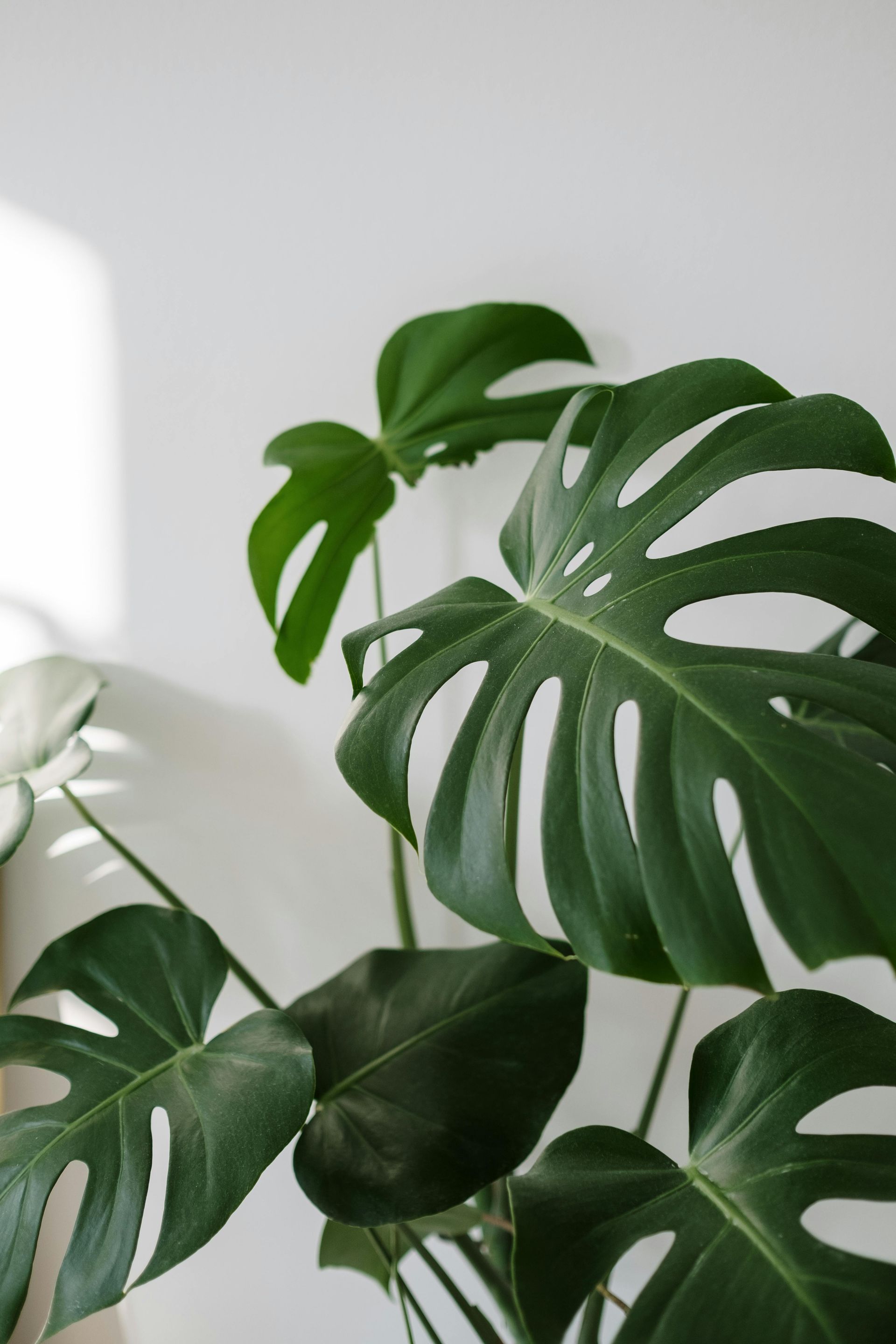
One of the most enduring and impactful movements in Home Interior Design Singapore is the seamless integration of biophilic elements that blur the lines between interior sanctuaries and the tropical lushness of the city. In 2026, this goes beyond a few potted plants; it involves the installation of self-sustaining vertical gardens, internal courtyards for ground-floor units, and the use of expansive glass partitions that frame Singapore’s skyline as a living backdrop. By utilizing natural, breathable materials like rattan, reclaimed timber, and unpolished stone, designers create a tactile connection to the earth that lowers cortisol levels and fosters a sense of tranquility, even in the most densely populated residential districts.

The Sentient Sanctuary: Invisible Tech and Circadian Wellness

The "smart home" has matured into the "sentient home," where the most sought-after Home Interior Design Singapore firms prioritize the invisible integration of AI-driven systems that proactively support human health. The trend for 2026 focuses heavily on circadian lighting—smart systems that automatically shift color temperature from an energizing cool blue in the morning to a warm, melatonin-supporting amber in the evening. This tech-forward approach extends to "silent" appliances and hidden acoustic dampening panels tucked behind artisanal wall fabrics, ensuring that your home remains a sanctuary of focus and rest, free from the visual and auditory clutter of traditional hardware.

Quiet Luxury: The Shift Toward Artisanal Materiality

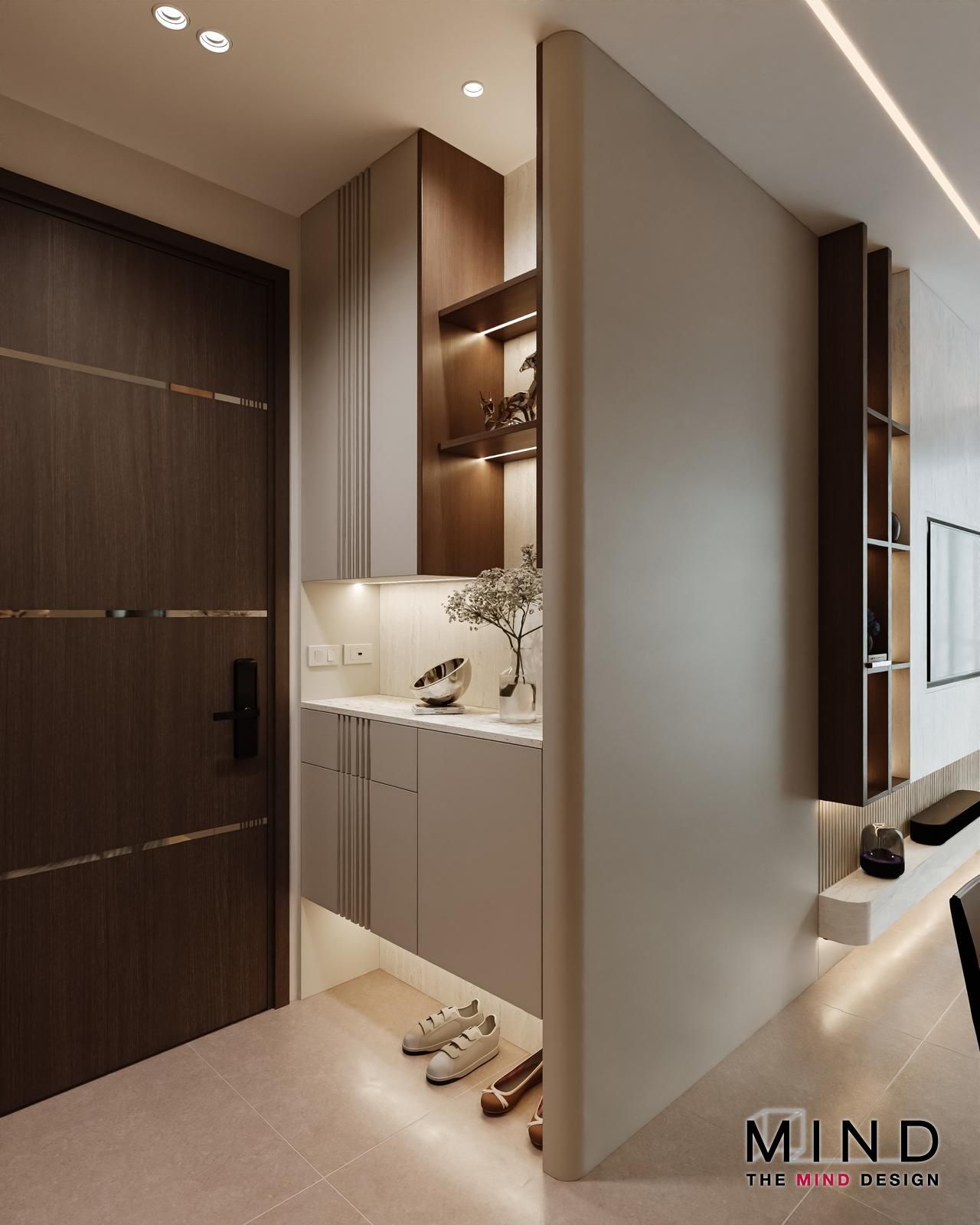
In 2026, ostentatious displays of wealth have been replaced by "quiet luxury," a trend in Home Interior Design Singapore that emphasizes the intrinsic value of craftsmanship and the pedigree of materials. This aesthetic favors a palette of warm neutrals—caramel, muted sage, and rich terracotta—paired with high-performance surfaces like sintered stone and anti-fingerprint matte finishes. Homeowners are increasingly seeking out bespoke, artisanal details, such as hand-plastered walls or custom-forged metal hardware, which lend a one-of-a-kind, "curated" feel to the space. This focus on quality over quantity ensures that the home feels permanent and grounded, offering a timeless elegance that honors the architectural integrity of the development.

Spatial Fluidity: Adaptive Zones for Hybrid Lifestyles

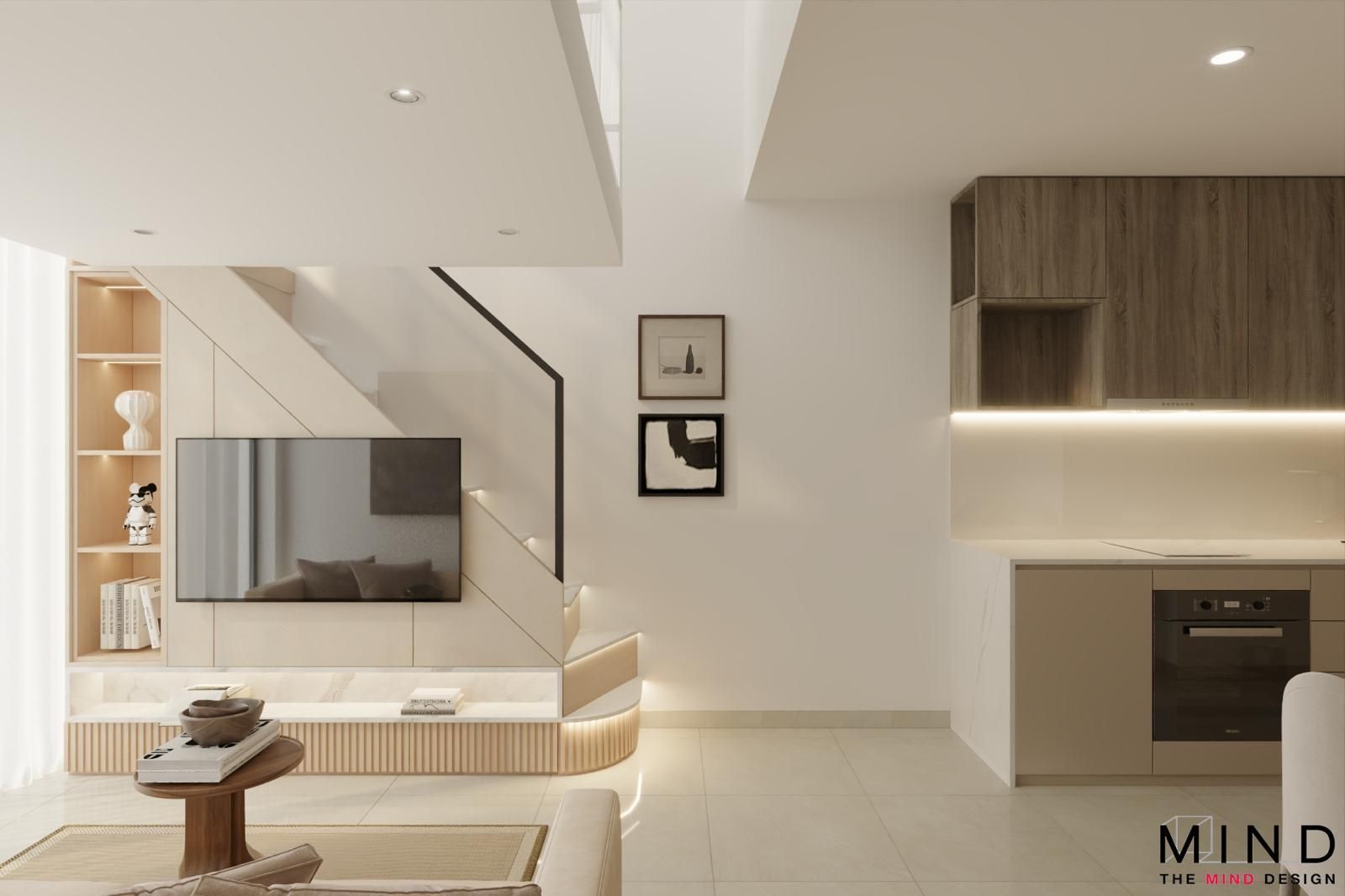
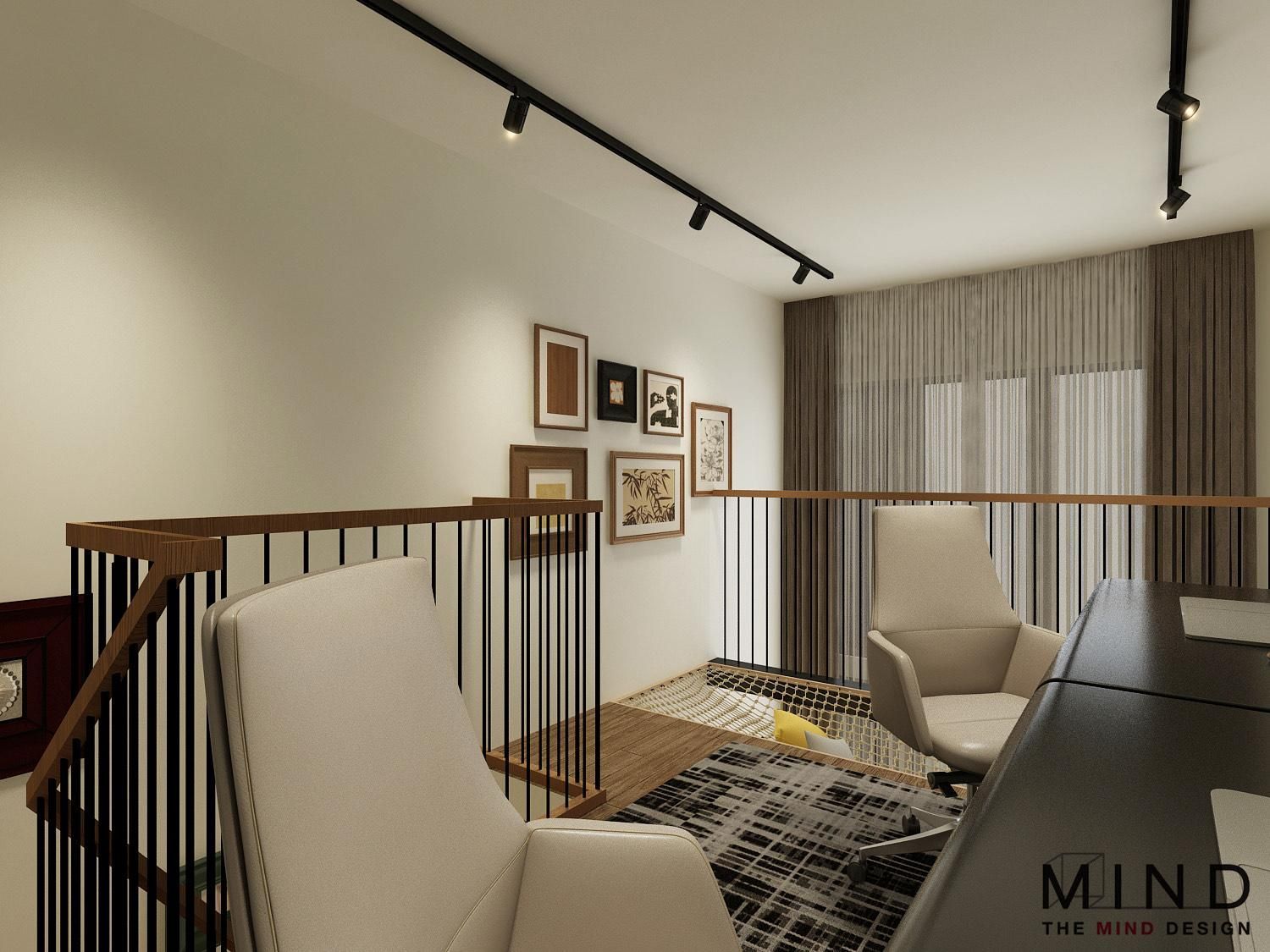
The modern Singaporean home must be a master of disguise, serving as a high-stakes boardroom by day and a cozy family retreat by night. Leading trends in Home Interior Design Singapore revolve around spatial fluidity, utilizing "transformer" furniture and hidden sliding partitions to create zones that appear and disappear as needed. For private condominiums where space is at a premium, this means designing "pocket offices" that can be tucked away into custom cabinetry or utilizing modular sofas that can be reconfigured for social gatherings. This adaptive approach ensures that your living environment remains uncluttered and functional, providing the flexibility to transition between productivity and relaxation without ever compromising on style or comfort.

Conclusion

Ultimately, a well-designed home is the ultimate foundation for a successful and balanced life in the city. At The Mind Design, we are dedicated to the art of Home Interior Design Singapore, specializing in creating bespoke environments for luxury condos and private residences that resonate with your personal story. Our team combines technical mastery with a visionary aesthetic to ensure that your home is not just a place to stay, but a sanctuary that inspires and restores you every single day. We invite you to contact us for an exclusive consultation, where we can help you navigate the latest 2026 trends and embark on a collaborative journey toward crafting a home that is as unique and sophisticated as you are.


Frequently Asked Questions (FAQ)


Q: What is the "Sentient Home" trend for 2026?

A: It refers to the shift from manually controlled gadgets to AI-driven systems that automatically adjust lighting, temperature, and air quality based on your biological needs and daily habits.


Q: How can I incorporate biophilic design if I don't have a green thumb?

A: Modern designers use self-watering vertical systems or "preserved" moss walls that offer the aesthetic and psychological benefits of greenery with zero maintenance.


Q: Is "Quiet Luxury" more expensive than traditional luxury design?

A: Not necessarily; it prioritizes investment in high-quality, durable materials and craftsmanship rather than buying numerous decorative items, which can be more cost-effective in the long term.


Q: How do I get MCST approval for smart home installations?

A: Most smart home features are internal and don't require external approval, but any work involving significant electrical rewiring or structural changes should be declared and managed by your designer.


Q: Can I use dark colors in a smaller Singaporean condo?

A: Yes, when paired with strategic "invisible" lighting and reflective textures, dark tones can add depth and a sense of "cozy luxury" without making the space feel cramped.